


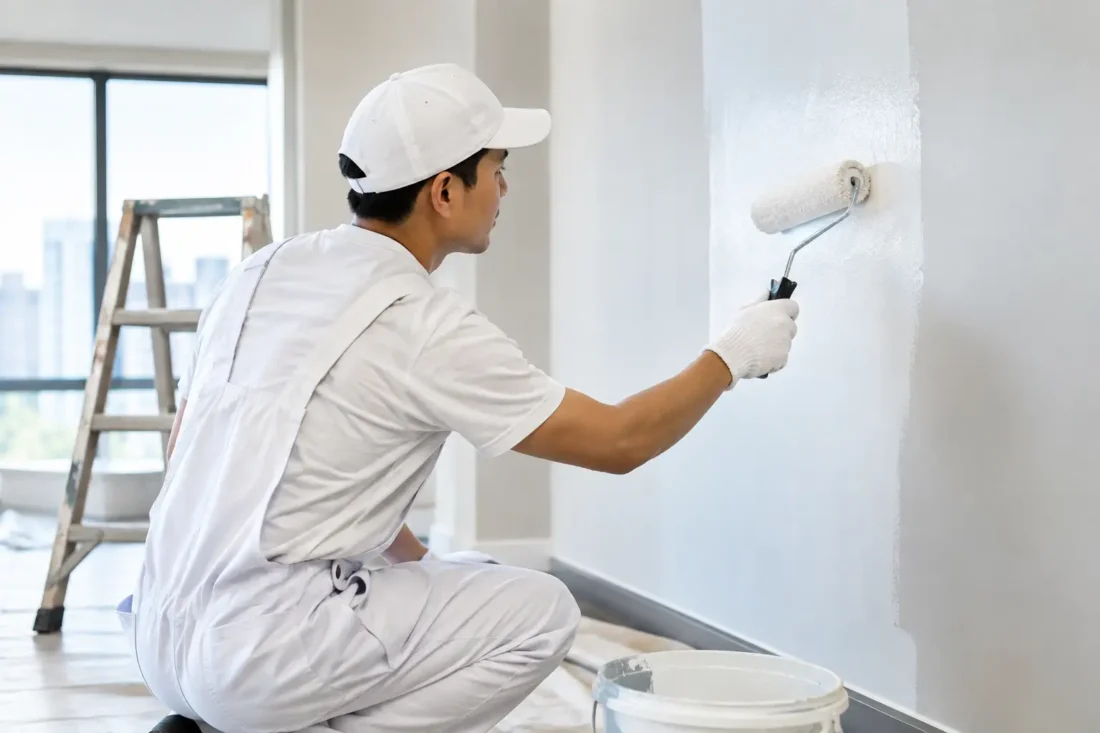
Painting Subcontractor for Lease Reinstatement
A painting subcontractor can appear to be the simplest appointment in a commercial reinstatement project. In practice, paintwork is often one of the last items a landlord or managing agent sees during inspection. Uneven colour, visible patch repairs, paint on fittings, or an unapproved finish can delay acceptance even when the larger dismantling works are complete.
For a business vacating an office, retail unit, clinic, warehouse or other leased premises, painting should therefore be planned as a controlled reinstatement trade, not an isolated cosmetic task. The right subcontractor must work to the tenancy requirements, coordinate with other trades and deliver a clean, handover-ready finish within the agreed programme.
Why painting matters at lease end
Lease reinstatement usually requires the tenant to return the premises to its original condition, subject to the tenancy agreement, approved fit-out drawings and the landlord’s instructions. This may mean repainting altered walls, restoring the original colour scheme, making good areas exposed after partition removal, or treating surfaces affected by signage, fixtures and cabling.
A fresh coat of paint does not automatically satisfy this obligation. If a wall has been opened, patched or damaged during removal works, the substrate must be repaired and prepared before painting starts. If the paint sheen differs between repaired and existing surfaces, the result may remain visibly inconsistent under office lighting. Where building management specifies a colour code, brand, finish or method of application, these details must be followed.
The commercial risk is straightforward. A poor final finish can lead to a failed inspection, additional rectification costs, delayed return of the unit, or deductions from a reinstatement deposit. Painting is a relatively modest part of the overall scope, but it can affect the outcome of the entire handover.
What a painting subcontractor should cover
The scope should begin with a site inspection, not a generic rate per square metre. The subcontractor needs to identify the wall and ceiling condition, existing finishes, access restrictions, height work, active services, defects caused by dismantling, and the sequence of other reinstatement works.
For most commercial units, a proper scope includes surface preparation, filling and sanding, treatment of cracks where required, primer application where the substrate calls for it, and the agreed number of finishing coats. It should also state whether the contractor will paint ceilings, bulkheads, door frames, service risers, skirting, exposed trunking or other elements that may have been changed during occupation.
Making good is particularly important. The painting team may need to repair screw holes from wall-mounted furniture, marks left by decals, chase lines from removed wiring, holes after partition demolition, and stains caused by water leaks or adhesive residues. These issues should be recorded before work begins so that there is no dispute about what is included.
Protection and cleaning are part of the same responsibility. Floors, glass, doors, air-conditioning grilles, switches and retained furniture must be protected from splashes and dust. On completion, the team should remove masking materials, clear paint containers and debris, and leave the area ready for final cleaning and inspection.
Appoint a painting subcontractor with the right brief
The best quotation is not necessarily the lowest one. A low price may assume that walls are sound, colours are readily available, access is unrestricted and no repair works are needed. Once site conditions prove otherwise, variation claims and programme delays can follow.
Give each contractor the same information: the reinstatement clause or landlord specification, floor plans where available, photographs of affected areas, proposed move-out date, access hours and any building management requirements. If the original paint schedule is unavailable, ask for the process used to verify the expected colour and finish. In some cases, full repainting of a wall or room is necessary to avoid patchiness. In others, limited touch-up work is acceptable. The decision should be based on the landlord’s expectations, not guesswork.
A clear quotation should separate labour, materials, access equipment and repair works where relevant. It should confirm the paint system, number of coats, areas included, exclusions, protection measures, waste disposal and estimated duration. It should also identify whether after-hours work, weekend access, parking, loading bay bookings or protection deposits have been allowed for.
For larger or more complex premises, request a sample patch in an inconspicuous area before full application. This is useful where matching an existing colour, gloss level or textured surface. It is far easier to resolve a mismatch before every wall has been painted.
Coordinate painting with the wider reinstatement programme
Paint should be one of the final finishing trades, but it cannot simply be left until the final day. The programme must allow enough time for repair, drying, coats, curing and inspection. Rushing the work can create roller marks, poor adhesion, trapped dust and damage to freshly painted surfaces when other contractors return.
Partition removal, electrical disconnection, plumbing capping, air-conditioning works, signage removal and furniture dismantling can all expose areas requiring patch repair. These trades need to complete their intrusive works before the painter begins final preparation. If ceiling tiles, flooring or light fittings are being replaced, the sequence also matters. A newly painted wall can be scuffed easily by ladders, trolleys or removal crews.
A single reinstatement contractor can manage these dependencies more reliably than a tenant coordinating separate trades. The painting team receives the correct handover area only after demolition and making-good works are complete, while the project manager checks that no further drilling, dismantling or service removal will damage the finish.
Building management conditions must also be considered. Many commercial buildings in Singapore control working hours, loading access, noise, lift usage and disposal routes. A painting subcontractor who arrives without approved access arrangements can lose valuable working time, especially on a tight lease-end schedule.
Quality checks before landlord inspection
Do not wait for the landlord’s inspection to identify obvious defects. A joint internal inspection should be carried out after sufficient drying time and before the site is released for final handover. View walls and ceilings under the normal lighting conditions of the premises, including light from windows, downlights and corridor-facing areas.
Check for visible differences in colour or sheen, roller marks, brush lines, drips, pinholes, uneven patching, unpainted edges and paint on retained fittings. Pay close attention to former partition lines, areas around removed signage and walls that have received extensive filler. These are the places where reinstatement defects are most likely to show.
The contractor should retain any agreed colour references and confirm that the specified finish has been used. If a defect is found, it should be rectified before final cleaning where possible. Cleaning first and repainting afterwards often creates unnecessary repeat work.
Common mistakes that create avoidable costs
The most common mistake is treating paintwork as an afterthought. Tenants may remove partitions and fittings, then call a painter shortly before key return. By then, there may be insufficient time to repair damaged plaster, obtain the required paint, complete multiple coats or rectify defects.
Another issue is painting only the visibly damaged portion of a wall. This can be economical where the landlord accepts localised repairs and the finish matches. However, it may be a false saving when sunlight, ageing and prior repainting make the new area stand out. A wider repaint of the wall, or sometimes the whole room, may be the more reliable option.
It is also risky to assume that white is simply white. Ceiling white, wall white and off-white finishes vary substantially between manufacturers and product ranges. The gloss level matters too. A matt patch on an eggshell wall will remain apparent even if the colour is close.
Finally, do not overlook documentation. Photographs of the completed works, confirmation of the scope completed and records of landlord-approved colours can help resolve questions during handover. This is especially valuable where multiple parties are involved, including tenant representatives, property managers and incoming occupiers.
A practical route to a clean handover
A capable painting subcontractor should be assessed on more than application skills. The contractor must understand what has to be restored, prepare surfaces properly, work safely within building rules and coordinate with the trades that come before and after. The objective is not merely a newly painted unit. It is a finish that supports acceptance without last-minute disputes.
For lease-end projects, Office Reinstatement Singapore can incorporate painting into a full reinstatement scope, alongside dismantling, M&E restoration, flooring, ceiling works, cleaning and final handover support. This reduces the burden of chasing separate contractors while keeping one programme focused on the landlord’s requirements.
Before confirming any paintwork, walk the unit with the reinstatement scope in hand and identify every wall, ceiling and repaired surface that will be visible at inspection. That short exercise can prevent the most expensive kind of painting problem: one discovered after the keys should already have been returned.