


Is Cleaning Required After Reinstatement?
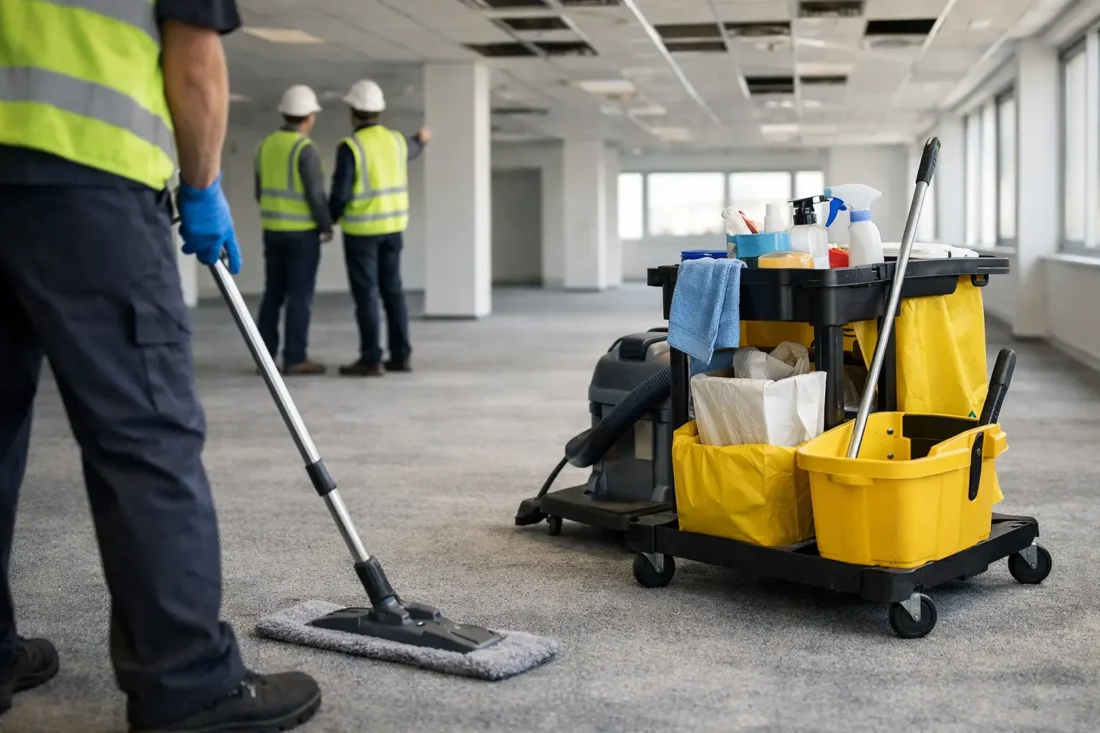
A unit can look fully reinstated on paper but still fail handover because of dust, adhesive marks, paint splatter or leftover debris. That is why the question, is cleaning required after reinstatement, comes up so often at the end of a commercial lease. In many cases, the practical answer is yes – not because every tenancy clause spells it out in detail, but because landlords expect the space to be handed back in a clean, safe, inspection-ready condition.
Reinstatement and cleaning are closely linked, but they are not the same thing. Reinstatement restores the premises to the agreed original state by removing additions, repairing disturbed finishes and making good affected areas. Cleaning is what prepares that restored space for final inspection and acceptance. If the site is dusty, stained or still carrying traces of works, the landlord may treat the handover as incomplete.
Is cleaning required after reinstatement in every case?
Not always in the same way, and that distinction matters.
Some leases and landlord fit-out manuals state cleaning requirements clearly. Others focus on reinstatement scope, debris removal and good condition at handover without using the word cleaning as a separate item. Even where the wording is light, building management and landlords usually expect the premises to be cleared of waste and presented in a clean state.
For a simple office unit with minimal alteration works, post-reinstatement cleaning may only involve vacuuming, wiping surfaces, removing dust from glass and disposing of all remaining material. For a restaurant, clinic, gym or retail unit, the cleaning standard may need to go further because the reinstatement works are often heavier and leave more residue behind. Flooring, grease marks, wall stains, service penetrations and back-of-house areas can all attract closer scrutiny.
The safest view is straightforward. If cleaning is needed to make the premises handover-ready, then it is part of the practical close-out process whether it sits under a separate line item or not.
Why cleaning after reinstatement affects handover
Landlords do not inspect a unit as a contractor would. They assess whether the premises can be accepted back without further work, complaints or risk. A reinstated unit that still contains construction dust, loose materials or visible marks creates doubt about the quality of the overall job.
That matters for two reasons. First, minor cleanliness issues can hide actual defects. Dust can mask scratches on glazing, paint residue can conceal poor edge finishing, and loose debris can stop a landlord from seeing whether flooring or skirting has been properly made good. Secondly, handover teams often work against lease deadlines. If the landlord asks for additional cleaning before acceptance, that can push the process into extra rent, penalties or deposit disputes.
This is why experienced reinstatement contractors do not treat cleaning as an afterthought. It is part of presenting completed works properly.
What cleaning is usually expected after reinstatement
The required standard depends on the unit type, the lease terms and the extent of reinstatement works, but a proper post-works clean usually covers more than basic sweeping.
Debris and waste must be fully removed first. That includes dismantled partitions, unwanted fittings, ceiling offcuts, cable remnants, packaging, broken laminate pieces and any loose hardware left behind by dismantling works. If rubbish remains inside the unit or at common loading areas, building management may raise an issue even before the landlord inspection.
The next layer is surface cleaning. Floors often need vacuuming, mopping or scrubbing depending on the material and the condition left by removal works. Walls may require spot cleaning where patching, sanding or repainting has left dust or marks. Glass panels, doors, frames, switches and visible ledges should be wiped down so the unit does not look recently worked on.
A more detailed clean may also be needed around reinstated service points. Electrical trunking removal, plumbing disconnection, air-conditioning dismantling and signage removal can leave dust rings, silicone traces, exposed marks or adhesive residue. These are small details, but they are exactly the sort of issues landlords notice during inspection.
Cleaning does not replace proper reinstatement
This is where some tenants get caught out.
A clean unit is not necessarily a compliant unit. If floor finishes have not been restored correctly, ceiling grids remain damaged, wall openings are poorly patched, or original service provisions have not been reinstated, no amount of cleaning will solve the problem. Cleaning supports acceptance, but it cannot cover incomplete scope or technical defects.
The reverse is also true. A technically sound reinstatement job can still be delayed by poor cleaning. That is why end-of-lease projects work best when the contractor manages both the restoration works and the handover condition as one coordinated process.
Common situations where extra cleaning is needed
The heavier the reinstatement works, the higher the chance that standard clearing will not be enough.
Offices with partition dismantling, carpet tile removal and repainting usually generate fine dust that settles on glazing, window tracks, air grilles and door hardware. Retail units often have adhesive staining from signage removal, display fixture dismantling and vinyl flooring uplift. Food and beverage spaces may carry grease residue or staining in areas where operational use has built up over time. Industrial and warehouse units can require more substantial floor cleaning because dust, oils or usage marks become obvious once equipment has been removed.
In these cases, a quick tidy-up before inspection is rarely sufficient. The unit needs a deliberate final clean after all reinstatement works are complete, not midway through the programme when follow-on trades are still creating dust and waste.
What to check in your lease and landlord requirements
If you are deciding how much cleaning is required after reinstatement, start with the documents that control handover.
Look at the tenancy agreement, any fit-out or reinstatement guidelines, and building management circulars issued for move-out works. Pay attention to wording around yielding up the premises, returning the unit in good and tenantable condition, removing rubbish, making good damage and complying with landlord inspection standards. Even if post-works cleaning is not listed as a formal trade, those clauses usually point to the same expectation.
It is also worth checking whether the landlord requires a pre-handover inspection. If they do, ask what condition the unit should be in at that stage. Some landlords are content to inspect technical completion first and request final cleaning after touch-ups. Others expect the unit to be fully cleaned before the first formal review. Clarifying this early prevents repeat visits and wasted time.
How contractors typically handle cleaning in reinstatement projects
There are two common approaches. Cleaning may be included within the reinstatement package, or it may be priced as a separate final cleaning item depending on the scale of the works and the condition required.
For tenants, the real issue is not what the line item is called but whether the scope is clear. Ask whether the contractor is covering debris disposal only, basic post-works cleaning, or a detailed final clean before landlord handover. Those are different levels of service. If the quotation is vague, there is room for disagreement later when the site still needs additional attention.
A contractor managing end-to-end reinstatement should also schedule cleaning at the right point. If cleaners attend before ceiling touch-ups, final painting or service removals are complete, the unit will simply become dirty again. Sequencing matters.
Avoiding disputes over cleaning at handover
Most disputes happen because expectations were assumed rather than documented.
The practical way to avoid this is to define the handover condition before work starts. That means confirming the reinstatement scope, agreeing what constitutes waste removal, checking whether detailed cleaning is included, and aligning the programme so final cleaning happens immediately before inspection. It also helps to carry out an internal pre-handover check, especially for visible items such as glass, flooring edges, wall touch-up areas, toilet fittings and service riser zones.
For commercial tenants under time pressure, the risk of skipping this step is greater than the cost of doing it properly. A rejected handover can affect deposit recovery, contractor remobilisation costs and lease-end timelines.
The practical answer to is cleaning required after reinstatement
If the question is strictly legal, the answer depends on your lease, landlord requirements and unit condition. If the question is practical, cleaning is usually required after reinstatement because a premises cannot be considered truly ready for return until it is clean, cleared and presentable for inspection.
That is especially true when multiple trades have been involved. Partition removal, electrical disconnection, painting, flooring restoration and ceiling making good all leave signs of work behind. Unless those traces are properly cleaned up, the landlord may see the unit as unfinished.
For that reason, tenants are usually better served by treating cleaning as part of the reinstatement close-out, not as an optional extra to be considered at the end. A handover-ready unit is not just restored – it is restored, cleared and clean enough to be accepted without argument.
If you are planning a lease-end project, the most useful question is not simply whether cleaning is required. It is whether your contractor is taking responsibility for delivering the premises in a condition the landlord can sign off with minimal back-and-forth. That is where time, cost and risk are really controlled.