


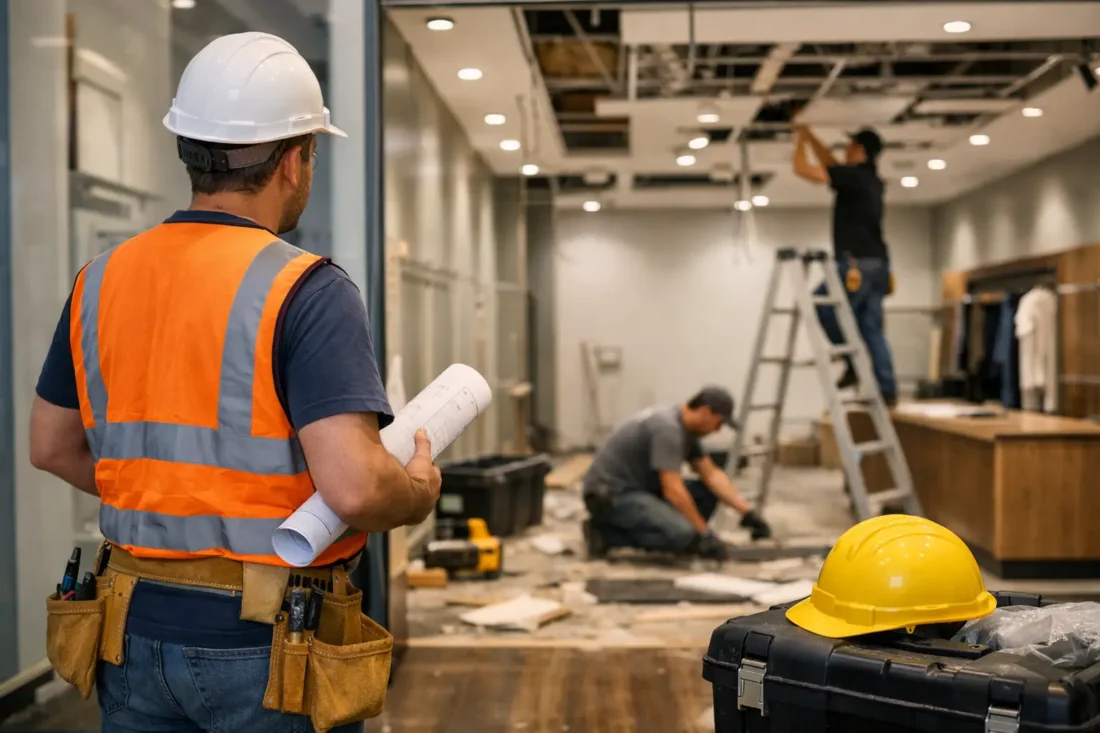
Retail Shop Reinstatement Contractor Guide
A retail unit can look simple on the surface – shelving out, signboard down, touch up the walls and hand back the keys. In practice, lease-end reinstatement is rarely that straightforward. A retail shop reinstatement contractor is usually dealing with landlord specifications, mall management rules, permit timing, concealed services, after-hours work restrictions, and a fixed handover deadline that does not move just because the site turns out to be more complex than expected.
That is why reinstatement for shops needs to be treated as a controlled commercial project, not a last-minute removal job. If you are vacating a boutique, F&B outlet, salon, clinic frontage or showroom, the contractor you appoint should be able to manage scope, compliance and final acceptance – not just demolition.
What a retail shop reinstatement contractor actually does
The job starts with one question: what condition must the unit be returned to? Some leases require reinstatement to bare shell condition. Others require return to the original handover specification, which may include specific flooring, ceiling layouts, electrical points or frontage conditions. If the lease, fit-out drawings and landlord comments do not line up neatly, the contractor needs to identify the gaps early.
A competent retail shop reinstatement contractor will usually inspect the premises, review available documents and confirm the actual work scope before anything is dismantled. This matters because retail units often contain a mix of landlord base-build elements and tenant-added works. Removing the wrong item can create unnecessary cost. Leaving behind the wrong item can create disputes during handover.
Typical works include dismantling partitions, counters, feature walls, built-in cabinets and display systems. Flooring removal or restoration may be needed, especially where vinyl, tiles, raised platforms or adhesives have altered the original finish. Ceiling repairs are also common where lighting tracks, hanging displays, air-conditioning works or decorative elements have been installed.
Electrical reinstatement is another major area. Shops often have added power points, lighting circuits, illuminated signage, cashier points and dedicated equipment supplies. These installations may need to be removed, isolated safely and returned to the original layout. In some units, plumbing and drainage reinstatement is equally important, especially for beauty, F&B and treatment-based retail concepts.
The better contractors also handle disposal, patching, painting, cleaning and handover support. That full scope is what reduces risk. A site is not ready simply because fittings have been removed. It is ready when it meets the lease condition and can pass inspection without a trail of unresolved defects.
Why retail reinstatement is different from general demolition
Retail spaces operate under tighter practical constraints than many office units. Work may need to be done outside trading hours. Noise controls can be strict. Access routes for debris removal may be limited to service corridors or loading bays with booking requirements. In shopping centres, management may require protective hoarding, lift padding, deposit arrangements and approval paperwork before works begin.
Then there is the frontage. Shopfront reinstatement tends to be one of the most visible and most closely checked parts of the project. Signage removal, glass decal stripping, lighting disconnection, fascia repairs and making good around entrance framing all need to be completed neatly. A poor finish here can trigger immediate landlord comments, even if the back-of-house area is acceptable.
There is also a sequencing issue. If a contractor removes fittings too aggressively without coordinating electrical isolation, flooring protection, ceiling patching and final painting, the site can end up requiring rework. That wastes time at the exact point when most tenants are trying to close the lease cleanly and move operations elsewhere.
How to assess a retail shop reinstatement contractor
Start with scope control. You want a contractor that can explain, in practical terms, what is included and what may only be confirmed after site investigation. Retail units often have hidden conditions above ceilings, behind feature panels or beneath raised platforms. A dependable contractor will be clear about what is visible, what is assumed and what may vary.
Trade coverage matters just as much. Reinstatement is rarely a single-trade job. It can involve dismantling, electrical works, plumbing, air-conditioning removal, ceiling repairs, flooring make good, painting and disposal. If you appoint separate parties for each portion, coordination becomes your problem. That usually leads to delays and finger-pointing when defects appear at the final inspection.
You should also ask how the contractor handles landlord and building management requirements. This is not an administrative side issue. Permit submissions, work timing restrictions, debris disposal rules and inspection coordination can affect the project as much as the physical works themselves. Contractors who regularly manage commercial reinstatement understand that compliance is part of delivery.
Programme reliability is another test. A realistic timeline is more valuable than an optimistic one. Retail handovers often sit close to lease expiry, and any delay can expose the tenant to extra rent, penalties or disputes over deposit release. A serious contractor should be able to explain the work sequence, critical milestones and where contingency may be needed.
Common reinstatement items in retail units
Every unit is different, but several work categories appear again and again. Front-of-house areas often require removal of shelving systems, cash counters, branding panels, display lighting and signage. Fitting rooms, treatment rooms and partitioned consultation areas may need full dismantling and wall making good.
Back-of-house areas can be more technical. Store rooms, staff pantries, added sinks, water points, distribution boards, exhaust systems and split-unit air-conditioning may all need to be removed or restored. In F&B-adjacent or service-heavy concepts, grease lines, drainage alterations and specialist equipment connections can become major reinstatement items.
Flooring is a frequent source of dispute. Tenants often assume that once loose finishes are removed, the job is done. In reality, adhesive residue, screw penetrations, cracked screed, discolouration and level differences may all need to be rectified before the unit is considered acceptable.
Ceilings create similar issues. Removing pendant lights, feature bulkheads, speakers, sprinklers or security devices can leave visible openings and mismatched finishes. A proper make-good requires more than patching the nearest hole. It should restore a uniform, handover-ready appearance aligned with landlord expectations.
Avoiding the usual causes of delay and dispute
Most reinstatement problems begin before work starts. The tenant relies on an old fit-out drawing, assumes the landlord will be flexible, or underestimates the time needed for approvals and site coordination. By the time the handover inspection happens, there is no room left to correct the mistake cheaply.
The safest approach is to confirm scope early and keep records. Lease clauses, original handover documents, management circulars and any landlord email instructions should be reviewed together, not in isolation. Where there is uncertainty, it is better to clarify in advance than argue after the site has already been stripped out.
It also helps to appoint one contractor to manage the full reinstatement package. That creates accountability. If dismantling, M&E reinstatement, finishing works and disposal are fragmented across multiple vendors, the final quality often suffers. One point of contact means fewer coordination gaps and a faster route to rectification if comments arise.
For many tenants in Singapore, timing is the real pressure point. Shopping centres and commercial buildings often impose controlled access and strict working procedures. A contractor with established reinstatement processes can plan around these limitations instead of discovering them halfway through the job.
What good handover support looks like
The final stage is where experience shows. A contractor should not simply declare the works complete and leave the tenant to face inspection alone. Proper handover support means checking the site against the agreed scope, addressing visible defects, clearing debris fully and preparing for landlord or management comments.
If inspection feedback comes back with minor rectifications, those should be handled quickly and without confusion over who is responsible. This is where end-to-end contractors stand apart from removal teams. The objective is not just to finish works. It is to return the premises in an acceptable condition so the handover can close cleanly.
That is the model businesses generally need when exiting a retail unit. Office Reinstatement Singapore, for example, approaches lease-end projects as a complete compliance and handover exercise, not just a dismantling job. That mindset is what protects tenants from avoidable delays and unresolved reinstatement issues.
Choosing for speed alone can cost more
Price and timing matter, but the cheapest quotation is not always the lowest-risk option. If the contractor has excluded key trades, assumed away landlord requirements or allowed too little time for proper making good, the savings can disappear in variation costs and repeat visits.
A better benchmark is whether the scope is clear, the trade coverage is complete and the contractor understands the standard expected at handover. Retail reinstatement is one of those jobs where practical detail matters more than sales language.
If you are appointing a retail shop reinstatement contractor, look for one that can inspect properly, define scope clearly, execute across multiple trades and stay accountable through inspection and acceptance. When the handover deadline is close, that level of control is not a nice-to-have. It is what keeps a routine lease exit from turning into a costly dispute.